

How to Involve Guests in Wedding Prep Without Causing Chaos
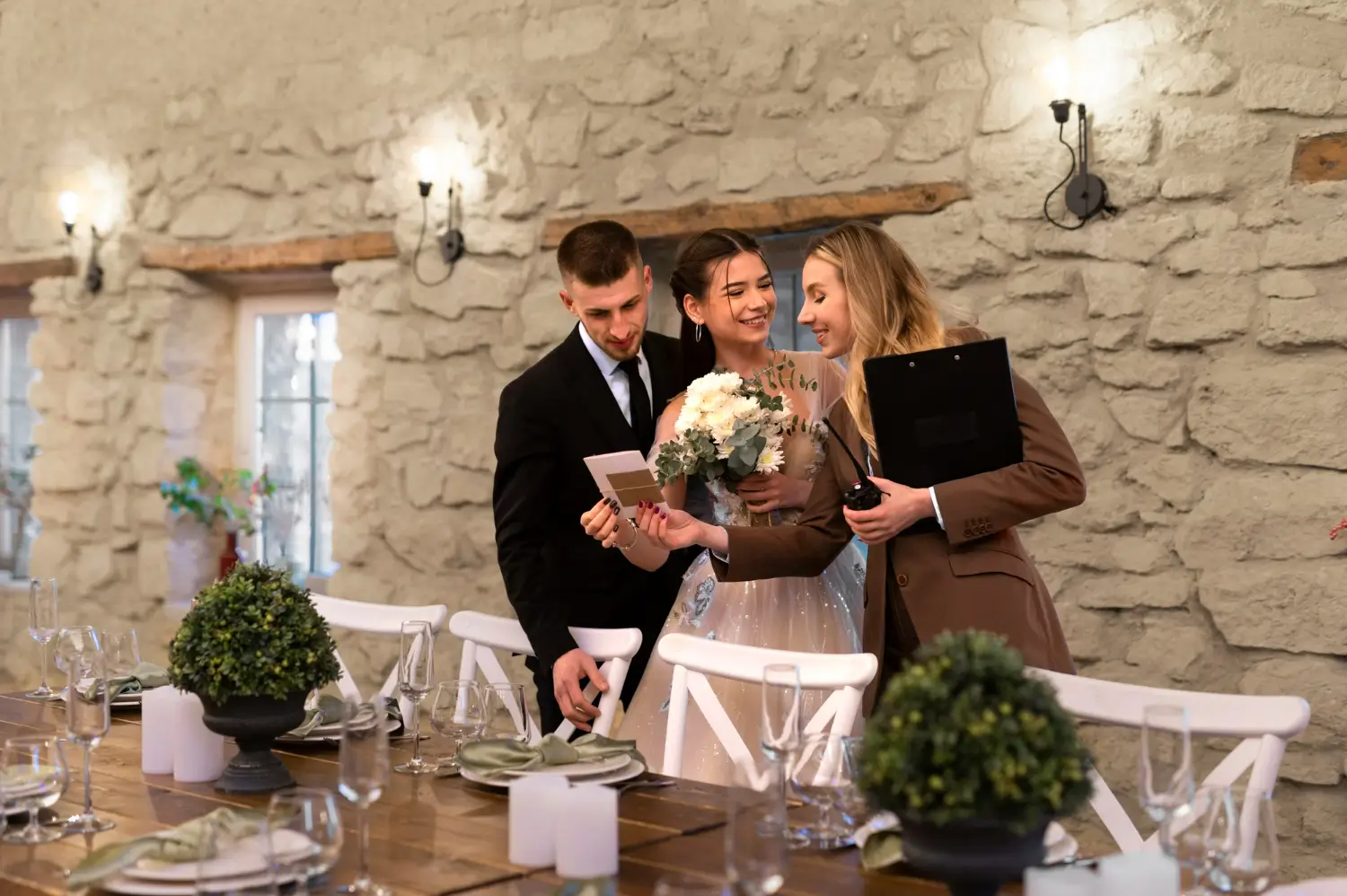
Wedding chaos is not just an elevated level of stress typical for large events but a direct consequence of lacking structure, unclear instructions, and uncoordinated actions. It is the opposite of the desired state, when the couple can “spend more time with their loved one, talk about feelings instead of wedding chores and problems.” Experience shows that even a small celebration can become a major source of stress if the number of unstructured or unassigned tasks remains high.
To effectively involve guests in the preparation while avoiding organizational chaos, a wedding should be viewed not as a celebration, but as a managed project. This requires a strategic shift from informal verbal requests to professional tools that ensure transparency and clarity. The key objective is not only to lighten the couple’s workload but also to standardize the preparation process. Chaos always arises where ambiguity and overlapping responsibilities exist.
Task Criteria
High-risk tasks that should not be delegated include financial negotiations, signing contracts with key vendors (such as the venue or caterer), and making final decisions on style or menu. These decisions must remain with the couple since they carry the greatest emotional and financial weight.
Ideal categories of tasks for delegation are usually time-consuming but have low emotional criticality:
Administrative Logistics (The Schedulers):
These tasks require attention to detail and time. They include tracking RSVPs and coordinating transportation. A delegated person can plan routes, organize shuttles from the hotel to the venue, or find reliable local taxi services for out-of-town guests. They may also handle VIP airport pickups. Appointing a “transport coordinator” allows the couple to avoid logistical stress.
Physical Collection and Cleanup (The Runners):
These tasks are crucial in the days before or after the wedding when the couple is usually emotionally and physically exhausted. Examples include picking up flowers, dresses or suits, collecting gifts and envelopes during the reception (best assigned to a “closing coordinator”), returning rented equipment, and post-event cleanup.
Creative Execution (The Crafters):
These are all kinds of DIY projects such as assembling invitations, packing welcome bags, tying ribbons, or folding wedding programs. These can easily turn into a social activity, “a wedding crafting party with great people and a few bottles of wine.” This boosts guest engagement and turns routine work into a shared, enjoyable memory.
Managing Expectations
To ensure smooth teamwork, a centralized coordination hub is essential. Digital task management tools such as Trello are perfect for this purpose. Trello boards can be adapted for three main functions:
- Ultimate Wedding Planning Board for overall progress tracking;
- Wedding Timeline Board for chronological scheduling, ensuring all helpers understand logistics;
- Team Board containing only delegated tasks with clearly assigned executors.
Efficient coordination allows the couple to focus on quality and details rather than worrying about “not missing a single guest and fitting everyone into one photo.”
Setting Realistic Goals and Budgets
One of the most common sources of chaos is financial uncertainty. Even delegated tasks often require expenses. It’s important to work with helpers to create realistic budgets for delegated sub-tasks. Remember that “weddings can be more expensive than expected,” and this applies even to small details.
To maintain progress and avoid overload, break the process into smaller, manageable tasks known as milestones. Setting clear deadlines for each stage allows for tracking progress without micromanagement. This creates a sense of achievement for helpers and prevents burnout or confusion.
Communication Management: Trust and Adaptability Protocols
Conflicts and disorganization rarely stem from mistakes themselves; they usually result from poor reactions to them. Managing a team of helpers requires the couple to act as supportive leaders, not controllers.
The Golden Rule: Trust and Avoid Micromanagement
Trying to control every small aspect of delegated work is micromanagement, a sign of low trust that inevitably leads to friction. The key to avoiding chaos lies in defining responsibility and then granting autonomy. Set clear expectations early and let the helper “work their magic,” respecting their boundaries, even if that “professional” is your sister or best friend.
The secret is learning to trust. When the couple consciously decides to “trust the helper’s expertise” (even if that expertise is simply picking up the suits on time), the helper’s independence grows. This, in turn, reduces the couple’s need for constant supervision and decreases overall stress and chaos risk.
Adapting Communication Style and the “Service Mindset”
As project leaders, the couple should adapt their communication methods to each helper. Different people prefer different communication styles (direct or indirect) and channels (email or phone calls). Spending time to understand these preferences greatly increases responsiveness and reduces misunderstandings.
This approach should also include a service mindset. Instead of pressuring helpers about deadlines, leaders should actively listen and ask, “How can I support you?” Active support and openness to feedback turn helpers into genuine partners who are more likely to flag potential issues early, before they become crises or chaos.
The Psychology of Gratitude: Ensuring Harmony After the Project
The success of a wedding project doesn’t end with the ceremony; it continues with how relationships are managed afterward. Inadequate or impersonal gratitude can devalue all the effort and harm long-term relationships, regardless of how flawless the event was.
Gratitude should reflect emotional investment: “I will never forget all the good you’ve done for me.” This reinforces that the help was an act of love and support, not merely logistics. Words of thanks should be sincere and personal. Short, strong phrases or heartfelt messages of appreciation (“you’re that ray of sunshine”) strengthen emotional bonds.
Personalized Thank-You Gift Strategy
Material gratitude should be meaningful. Studies show that “small but significant” gifts are far more effective than expensive but impersonal items.
The key principle is to avoid generic “wedding merchandise.” The gift should not be universal; it should celebrate the person’s individuality and specific contribution. The personalization strategy includes:
- Custom Souvenirs: Personalized bobbleheads or figurines representing the person’s role or personality.
- Functional Gifts: Practical items such as engraved cutting boards, serving as lasting but subtle reminders of appreciation.
By investing in thoughtful, personalized thank-yous, the couple invests in their social media, ensuring lasting goodwill and a readiness among family and friends to support them in future life projects, maintaining long-term harmony.